

Fenceline Monitoring Systems Provide Continuous Measurement of Air Quality Around Industrial Facilities
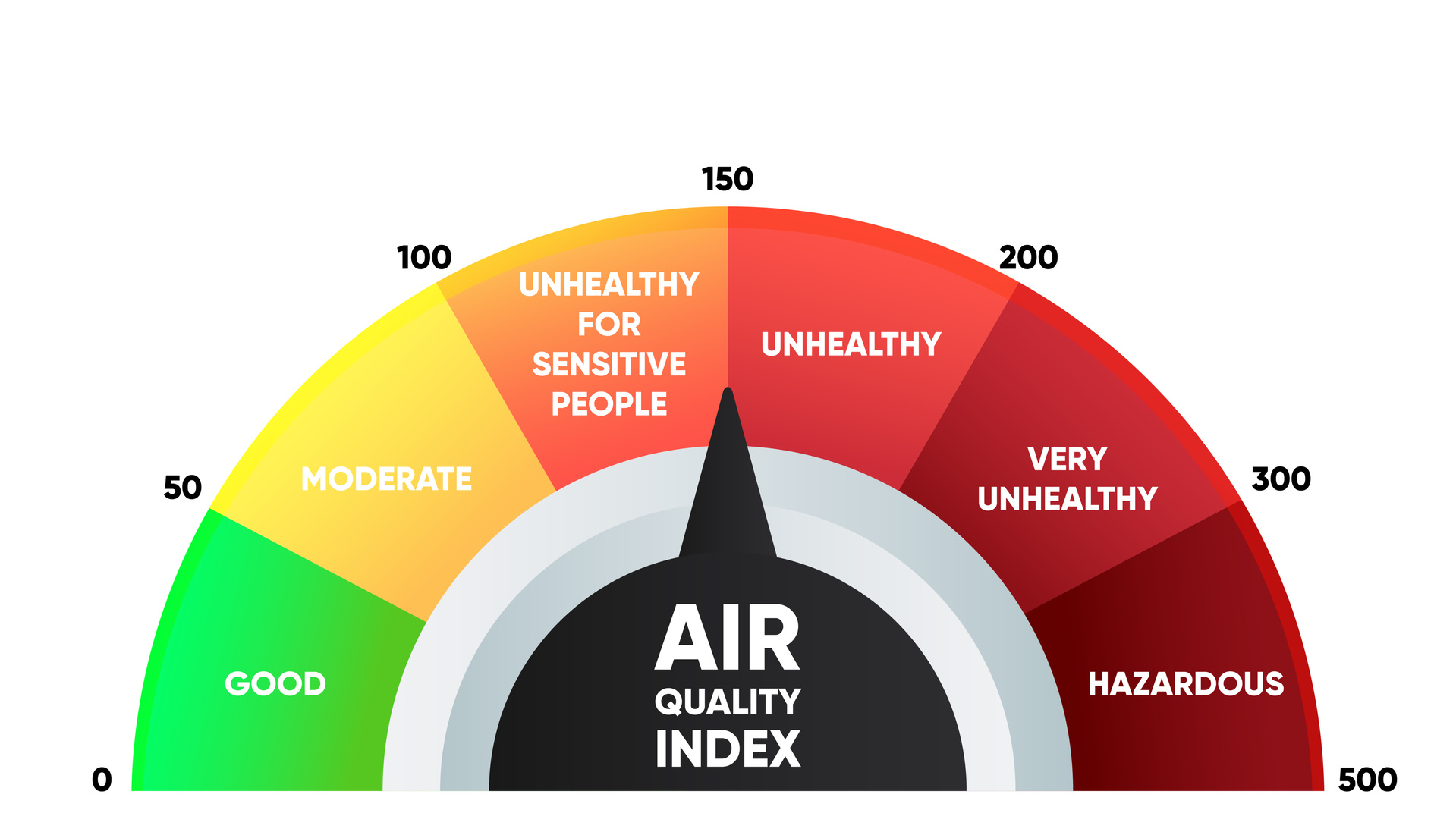

Fenceline monitoring systems collect environmental data at the boundaries of industrial facilities, allowing air conditions to be measured where operational areas meet surrounding communities”
NEW ORLEANS, LA, UNITED STATES, March 20, 2026 /EINPresswire.com/ -- Air quality monitoring has become an important component of environmental management around industrial facilities. One approach commonly used to observe air conditions near facility boundaries is fenceline monitoring. These systems measure airborne compounds and environmental conditions along the perimeter of industrial sites, providing data about air quality in areas where industrial operations meet surrounding communities.— Joel Chaky
Fenceline monitoring refers to the placement of air monitoring equipment along the boundary lines of industrial facilities. Sensors and sampling devices positioned at these locations measure concentrations of certain airborne compounds that may be present in the surrounding atmosphere. These measurements allow operators, regulators, and environmental professionals to observe air conditions in areas adjacent to operational activities.
Industrial facilities can produce a range of airborne emissions depending on the type of processes taking place within the site. Chemical manufacturing, refining, and other industrial operations may release trace levels of gases or particulate matter as part of normal processes. Monitoring systems help track these emissions and provide information about how airborne substances disperse in the surrounding environment.
Monitoring equipment used in fenceline systems typically measures compounds such as volatile organic compounds, sulfur-containing gases, or other industrial emissions depending on the facility’s operations. These measurements are collected continuously or at scheduled intervals, allowing environmental specialists to track conditions over time.
Data collected through fenceline monitoring systems is often transmitted electronically to monitoring platforms where environmental professionals review readings and identify patterns. This continuous data collection helps detect fluctuations in air conditions and allows operators to evaluate how environmental factors influence air dispersion.
Weather conditions can significantly influence air movement around industrial sites. Wind speed, wind direction, temperature, and atmospheric pressure all affect how airborne compounds travel through the surrounding area. Fenceline monitoring equipment often includes meteorological sensors that record these environmental conditions alongside air quality measurements.
Combining air quality data with meteorological observations allows analysts to understand how environmental conditions affect the movement of airborne substances. For example, wind direction data can help determine how emissions disperse across different areas surrounding a facility.
Many monitoring systems also include analytical instruments designed to detect trace amounts of specific compounds. These instruments may use technologies such as optical absorption spectroscopy, gas chromatography, or electrochemical sensing depending on the substances being monitored. Each technique provides different levels of sensitivity and response time depending on monitoring requirements.
Continuous monitoring systems are often designed to record data in real time. This capability allows facility operators and environmental professionals to observe conditions as they occur rather than relying solely on periodic sampling. Real-time data can help identify changes in air conditions and provide information about operational or environmental influences.
According to Joel Chaky, Vice President of ENCOS Environmental & Coastal Services headquartered in Baton Rouge, Louisiana, fenceline monitoring systems provide an important method for observing environmental conditions near industrial sites.
“Fenceline monitoring systems collect environmental data at the boundaries of industrial facilities, allowing air conditions to be measured where operational areas meet surrounding communities,” said Chaky. “Monitoring equipment records concentrations of airborne compounds along with meteorological conditions that influence how emissions disperse.”
Chaky noted that continuous monitoring allows environmental professionals to review patterns in air quality measurements over time.
“Data collected through these systems provides information about how environmental conditions and facility operations interact,” Chaky said. “Observing these patterns helps environmental teams understand how air moves around facility boundaries.”
Regulatory agencies may require fenceline monitoring programs in certain industrial sectors. Environmental regulations often establish guidelines for monitoring specific compounds associated with particular industrial processes. Monitoring programs allow facilities to document environmental conditions and demonstrate compliance with applicable standards.
In some cases, monitoring results are made available through public reporting systems. Data transparency allows community members and environmental organizations to review air monitoring results collected around industrial facilities.
Monitoring technology continues evolving as environmental measurement techniques improve. New sensor systems allow more sensitive detection of airborne compounds while improving data transmission and reporting capabilities. These advancements provide additional tools for observing environmental conditions in areas where industrial activities and surrounding communities intersect.
Fenceline monitoring also contributes to broader environmental management programs. Data collected through monitoring systems may support air quality modeling studies that analyze how emissions disperse across larger geographic areas. These studies help environmental professionals evaluate potential impacts under varying weather conditions and operational scenarios.
Industrial facilities often integrate monitoring systems into environmental management strategies designed to maintain safe operational conditions. By observing air quality at facility boundaries, environmental teams gain information that can assist in evaluating emission controls and operational practices.
As industrial operations continue interacting with surrounding environments, monitoring technologies remain a central component of environmental observation. Fenceline monitoring systems provide ongoing measurements of air conditions in areas where facility operations meet nearby communities.
Through continuous measurement, environmental professionals gain insight into how airborne compounds move through surrounding environments and how atmospheric conditions influence that movement. These observations contribute to the broader understanding of environmental conditions associated with industrial activity.
Morgan Thomas
Rhino Digital, LLC
+1 504-875-5036
email us here
Visit us on social media:
Facebook
Legal Disclaimer:
EIN Presswire provides this news content "as is" without warranty of any kind. We do not accept any responsibility or liability for the accuracy, content, images, videos, licenses, completeness, legality, or reliability of the information contained in this article. If you have any complaints or copyright issues related to this article, kindly contact the author above.
